


The 18th Croatian Camping Congress kicked off today at the Well Hotel in Terme Tuhelj, gathering prominent voices from Croatia’s camping industry and government to set the stage for discussions on sustainability, innovation, and competitive strategies in open-air tourism. Hosted by the Croatian Camping Association (KUH), the congress – of which Camping Business is a media partner – attracted stakeholders eager to assess current trends and address future challenges. The event opened with the speeches of the Croatian National Tourist Board (CNTB) Director, Kristjan Staničić, and the Director of the Croatian Ministry of Tourism, Robert Pende.
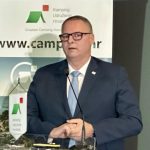
Staničić emphasized the importance of adapting Croatia’s tourism offering to meet evolving visitor expectations. The 2024 tourist season numbers were positive, with 20.5 million arrivals and 106.6 million overnight stays, marking a 3 percent increase in arrivals compared to 2023. However, campsites saw a one percent decline, with 3.3 million arrivals and 20.7 million overnight stays. According to Staničić, this decline is not a cause for concern, as the best results came from higher-end accommodation facilities.
The day’s first round table discussion, titled “Behind the scenes: the future of tourism and camping in an uncertain environment,” addressed not only the unpredictable nature of climate change, but also the consequences of the current geopolitical environment. Moderated by Sanela Grujo Vrkljan from the Institute for Tourism, the panel included representatives from the KUH, Croatian Meteorological and Hydrological Service, Croatian Radiotelevision, and Studio 3LHD. Together, they examined the impact of environmental and political shifts on tourism, suggesting that Croatia’s camping industry must be prepared for these changes to remain resilient.

Overview of the season and camping trends
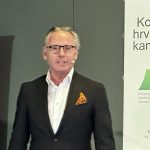
Later in the day, Camping Vision‘s Niels Fasen and ACSI’s Ramon van Reine each provided industry-specific perspectives on current European camping trends. Fasen analyzed the recent camping season in the Mediterranean, identifying both positive outcomes and areas of concern for Croatia amid growing competition, especially when talking about prices. Van Reine expanded on these insights by sharing broader European trends, noting that it is now necessary to promote not only the accommodation facility, but also the destination. Concerns are about the economic stability of Europe and the actually low consumer trust.
The second round table, “Are we living in an illusion: is Croatia ready for market competition in 2025, or is an adjustment to the new rules of the game coming?“, drew a range of experts, including Uwe Frers of PiNCAMP, Josipa Cvelić Bonifačić (Faculty of hospitality and tourism management, Opatija)and) and Marino Brečević, who discussed whether Croatia’s camping industry is well-positioned for the competitive landscape ahead. Moderated by Adriano Požarić of Turizam Info, this panel delved into potential regulatory adjustments, shifts in consumer expectations, and the infrastructural needs to support the industry’s growth.

A significant highlight of the first day was the presentation by Maximilian Möhrle, director of Camping.info, one of Europe’s leading camping portals. Möhrle shared valuable insights into the motivations and expectations of camping guests who choose Croatia as a destination, drawing on comprehensive data gathered from the portal’s extensive user base across Europe. This data-driven perspective underscored the importance of understanding and adapting to visitor expectations, offering Croatian campsite operators actionable insights into how they can meet the evolving needs of an eco-conscious, quality-driven audience.
Aligning business with sustainable standards
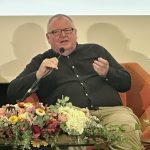
The day concluded with in-depth presentations focused on aligning Croatia’s tourism model with sustainable practices and visitor satisfaction. Paul Bradbury, director of Total Croatia News, delivered a thought-provoking talk on whether Croatia is on track to becoming a high-value destination that prioritizes sustainability. Nataša Novaković from the Croatian Employers’ Association provided practical insights on implementing ESG strategies, stressing the importance of aligning business practices with the latest regulatory and sustainability standards.
The first day of sessions inspired participants to reflect on the future of Croatian tourism, driven by a shared commitment to positioning Croatian camping as a leader in sustainable, innovative, and guest-centered tourism. The insights gained throughout the day laid a solid foundation for the congress’s upcoming sessions, promising further exploration of strategies that will shape Croatia’s future in the competitive outdoor hospitality market.


In Italy, Assocamping and UCA sign an alliance to enhance “en plein air” tourism