



Catalonia aims to become a laboratory for sustainable tourism through collaboration between campsites and public institutions. Following the successful initiative launched in June between the Aiguamolls Natural Park and the campsites in the Bay of Roses, the Catalan Camping Federation (FCC) and the Generalitat have decided to extend the cooperation model to all protected areas across the region. The goal is to strengthen biodiversity protection and promote responsible tourism.
The project introduces an innovative beach-cleaning protocol that distinguishes areas where manual intervention is required, to protect the most fragile habitats, from those where mechanical means can be used, ensuring a more respectful and efficient management of the environment.
In addition to cleaning, the program includes environmental awareness activities for campsite guests, improved signage and information within protected areas, and regular training programs for staff at the facilities.
A public-private collaboration
“The key to success is the cooperation between the public and private sectors,” explained Miquel Gotanegra, president of the Girona Campsite Association and of the Catalan Camping Federation (FCC). He emphasized that the model should be adapted to the specific characteristics of each natural park, while maintaining common standards that allow progress toward excellent sustainable tourism.
The project, a virtuous example of public-private collaboration, will be presented as a success story at the Global Ecotourism Forum, scheduled for October at Món Sant Benet, where it will be showcased as a prime example of effective collaboration between institutions and the tourism sector in support of responsible ecotourism.
Photo: Miquel Gotanegra
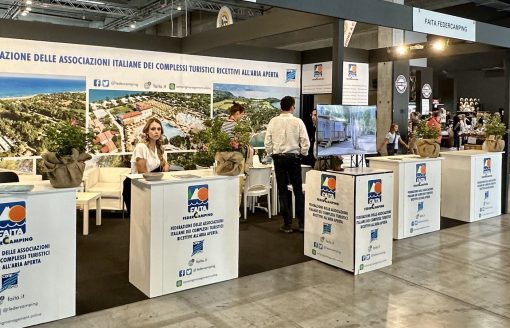

FAITA – FederCamping, a positive 2023 season for open-air tourism in Italy: +3% compared to last year