

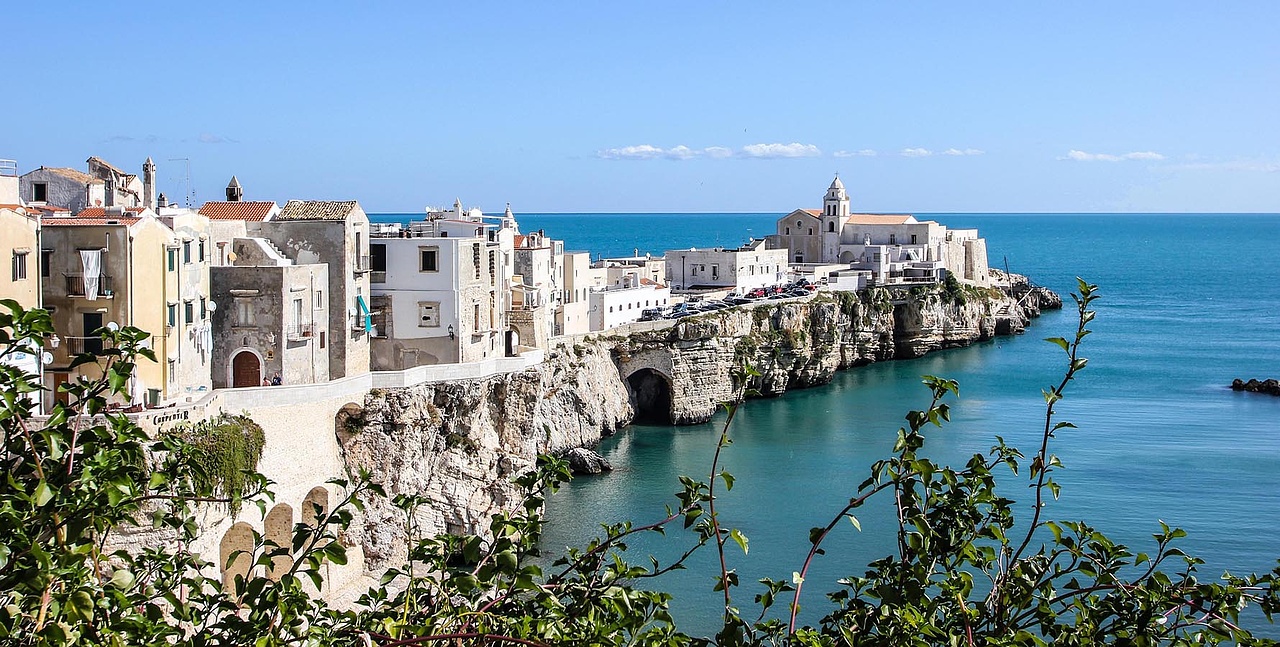

The desire to travel in Europe doesn’t fade when the low season begins. According to the latest “Monitoring Sentiment for Intra-European Travel” (Wave 23) report by the European Travel Commission (ETC), Europeans continue to view travel as a priority, with growing interest in southern destinations even during the autumn and winter months.
The study shows that between October 2025 and March 2026, 73% of Europeans plan to take at least one trip, a figure unchanged from last year, indicating a solid and confident travel demand. As expected, Southern Europe remains the preferred destination, with Mediterranean countries attracting over half of European travellers (52%), up seven points from 2024.
Spain leads the growth, gaining five points (12% of preferences), followed by Italy and France, both at 8%. Interest in Eastern Europe, on the other hand, has declined sharply, only 4% of travellers plan to visit, down six points year-on-year. This trend reflects a broader preference for milder climates, comfort, and good value for money, even outside the traditional summer season.
More mature and selective travelers
According to the ETC report, Europeans’ willingness to travel remains high, but the data reveals a more selective approach. 45% of respondents plan to take only one trip in the next six months (up seven points from 2024), 34% expect to travel twice, and just 16% plan three or more holidays.
Demand is strongest among middle-aged Europeans, particularly those aged 45–54, who show the highest travel intentions, while younger adults appear slightly less active than in previous years.
Age also influences travel style: nearly half of travellers over 55 prefer a single, longer, more meaningful trip, reflecting a greater focus on quality experiences, a choice shared by only about one in three younger adults.
Another notable trend concerns how Europeans travel. Six in ten (60%) plan to stay in one destination rather than moving between regions, seeking more authentic and locally immersive experiences. This approach is especially common among city break (71%) and sun-and-beach (68%) travellers, while those interested in culture (44%) or nature (42%) are more likely to explore multiple regions within a single country.
When it comes to transport, air travel remains the top choice (57%), followed by car travel (25%), which includes a growing share of electric vehicles (4%). Train travel remains less common (13%) but continues to grow steadily.
Safety, climate and value drive decisions
Despite economic uncertainty, 82% of Europeans say they will maintain or increase their travel budgets, keeping holidays firmly at the top of their leisure spending priorities.
The main barriers to travel remain financial constraints (36%) and lack of time (27%).
Safety (20%) continues to be the leading factor when choosing a destination, but pleasant and stable weather (15%) is becoming increasingly important, alongside affordable prices (13%) and a lower cost of living (10%). The result is a balance between travellers choosing well-known destinations and those seeking authentic, less touristy places, consistent with the growing trend toward sustainable and diversified tourism.
“We’re seeing positive signs for Europe’s tourism ecosystem,” said Miguel Sanz, President of the ETC. “Strong travel intentions, resilient budgets, and off-season interest in Southern destinations can help spread visitor flows and reduce seasonality. However, with shorter trips and more cautious spending, businesses will need to adapt, developing pricing strategies and tailored packages that encourage longer stays and higher on-site expenditure to maximise value in the context of more contained travel plans”.
Photo: Sebastiano Iervolino


ADAC Camping strengthens the PiNCAMP platform with the entry of four new industry experts