


The 2026 tourist season is off to a good start in Croatia, which, in the period January–May, welcomed 4.5 million visitors, for a total of over 14 million overnight stays. This represents a growth of 5% in arrivals and 7% in overnight stays, a positive result that bodes well for the remainder of the year. The data come from the eVisitor system, the national information system for the registration of data on tourists’ check-in and check-out, and were published by the Croatian National Tourist Board (HTZ).
Driving tourism in this initial phase is once again the Adriatic coast, which accounts for 12.2 million overnight stays, up 8% year on year. Tourism in the inland areas also continues to grow, albeit at a more modest pace (+3%).
According to the Minister of Tourism and Sport, Tonči Glavina, these figures demonstrate the effectiveness of the policies implemented to extend the tourist season beyond the traditional summer months. One of the Government’s objectives is indeed to strengthen the pre-season and post-season and to promote tourism throughout the entire year.
Attention now shifts to July and August, the peak months of the tourist season, for which demand is however showing slightly more caution compared to previous years, influenced mainly by tensions in the Middle East. For this reason, Croatia has chosen to reorient its promotional campaigns, focusing on some of its main strengths: proximity to European markets, the safety of the destination, and a competitive value-for-money ratio.
Istria in first place, Germany remains the main market
From a territorial perspective, Istria confirms itself as the country’s leading destination with 4.1 million overnight stays, followed by the Split-Dalmatia County (2.2 million) and Kvarner (2.1 million). Among the most visited locations are Dubrovnik, Zagreb, Rovinj, Split, Poreč and Zadar.
Germany confirms itself as the leading foreign market for Croatian tourism, with 2.7 million overnight stays, ahead of domestic tourists (2.5 million), Slovenia (1.3 million), Austria (1.1 million), the United Kingdom (over 670,000) and the United States (over 540,000).
In terms of accommodation types, hotels account for the highest share of overnight stays (43%), while campsites also play a significant role in the tourism landscape, generating 16% of total overnight stays.
Positive signals also come from the long Corpus Christi weekend (4–7 June), during which Croatia recorded 378,000 arrivals and 1.7 million overnight stays. The main markets were Germany, Austria, Poland, Slovenia, the United Kingdom and the United States, while the most visited destinations were Istria, Split-Dalmatia and Kvarner, with Rovinj, Dubrovnik, Poreč, Split and Medulin among the most popular locations.
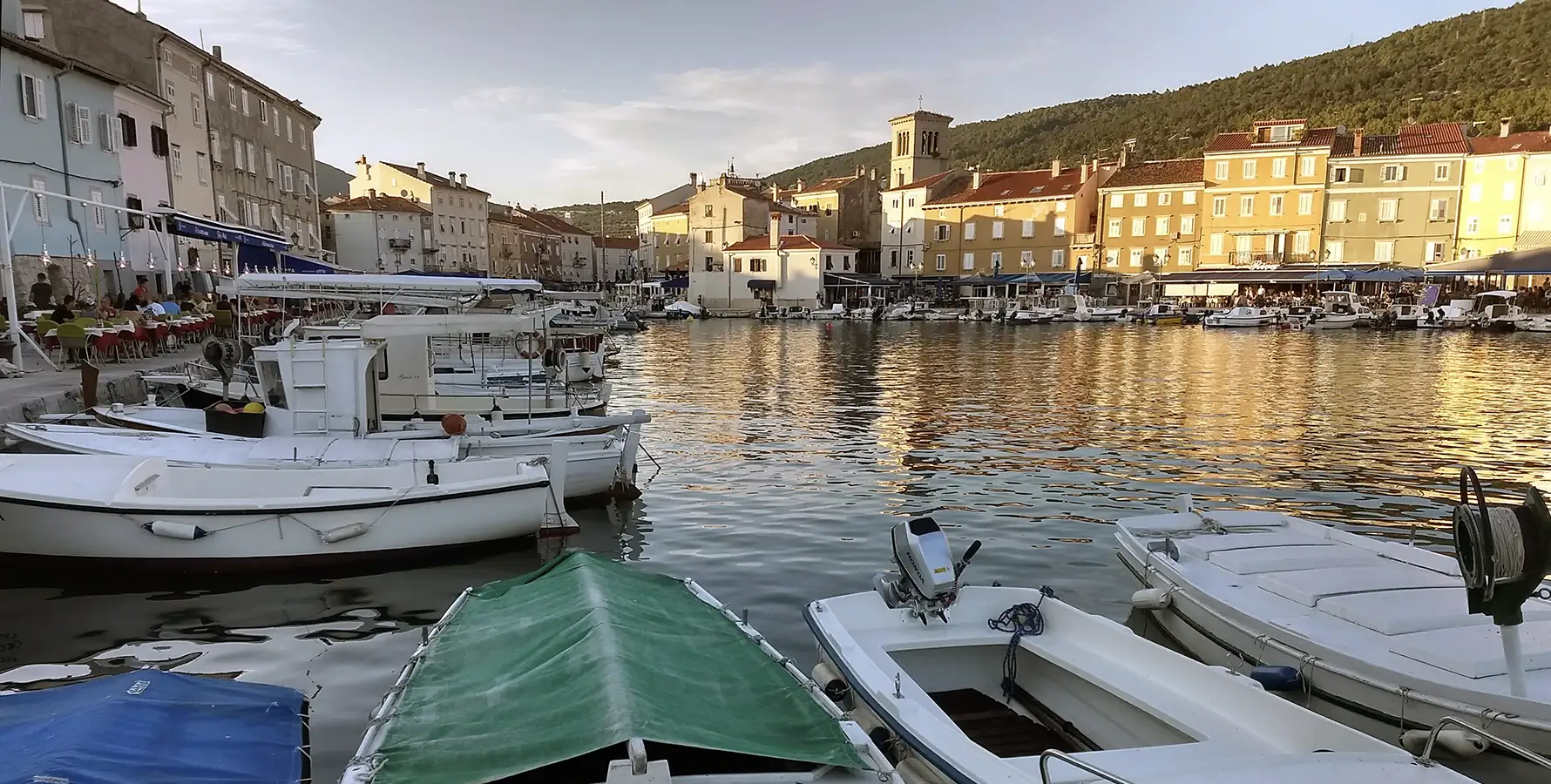
Photo: Cres, Paolo Galvani



Australia: inside the National Caravan Industry Conference 2026 Trade Exhibition