

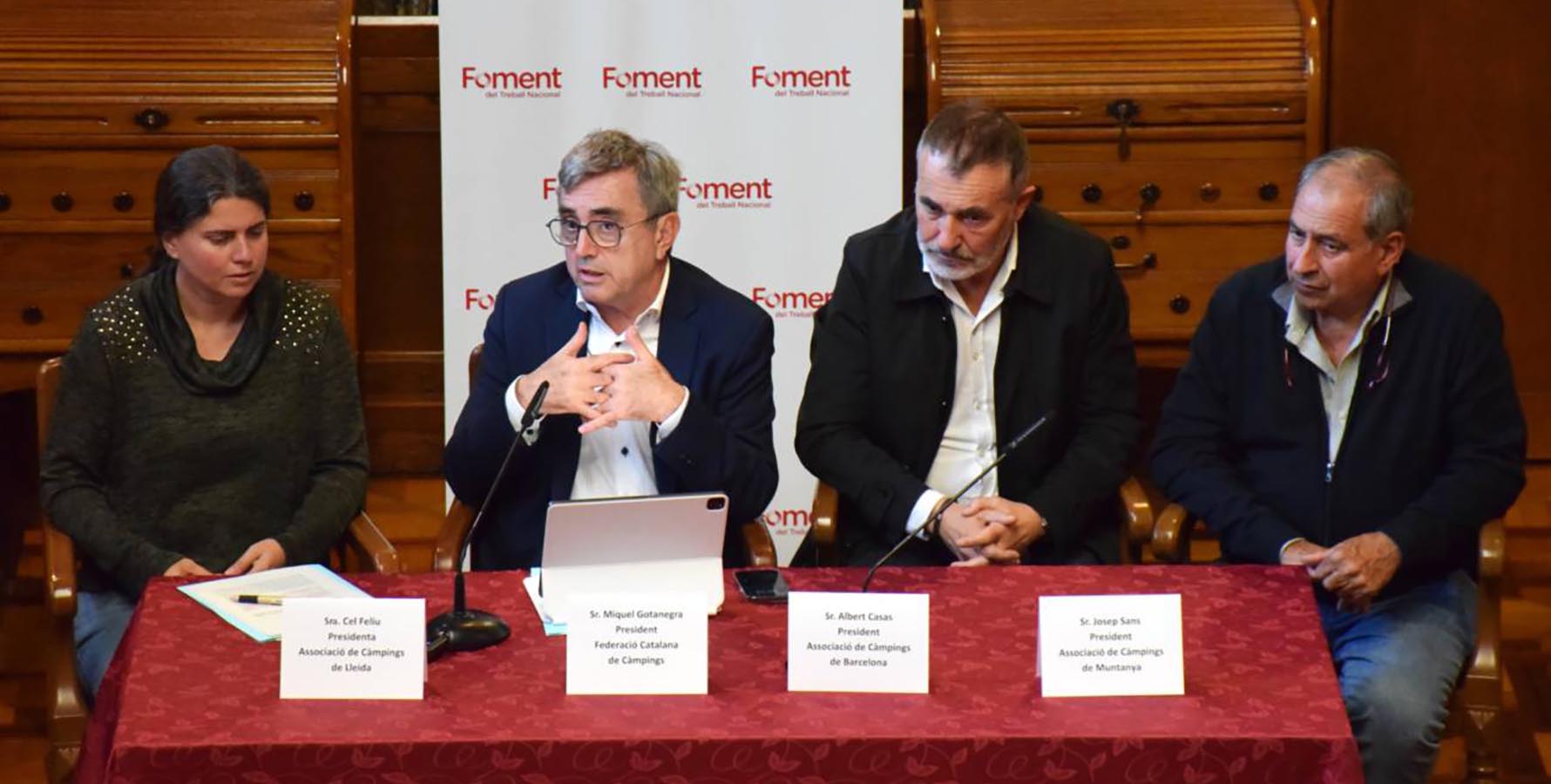

How can campsite safety be improved in the face of the climate emergency? The challenge of risk management is becoming an increasingly pressing concern for the tourism sector in Catalonia. The region, which hosts 75% of Spain’s campsites and accounts for 30% of Catalonia’s tourist activity, plays a crucial role in Spanish tourism. To discuss strategies and possible solutions to address flooding and extreme weather events, the Catalan Campsite Federation (FCC) met with representatives of the Generalitat, including president Salvador Illa, on November 19.
The meeting, which was reported in the Spanish online magazine Camping Profesional, led to some immediate results. First, the creation of a working group involving multiple entities to coordinate efforts against climate risks was agreed upon. Additionally, the existing territorial maps will be updated. The current maps, over a decade old, fail to reflect the sector’s transformations, including closures of certain campsites and renovations that have already been completed.
Miquel Gotanegra, President of the FCC, emphasized the need to accelerate institutional bureaucratic processes, which have often hindered the initiatives of the camping sector. In contrast, the sector has proven to be increasingly dynamic and motivated. Another key issue discussed was the evaluation of flood-prone areas, which Gotanegra described as a “flexible” concept.
he aim is to distinguish between minor water accumulation and catastrophic events, enabling specific actions tailored to each situation. Furthermore, as highlighted by Cel Feliu, President of the Lleida Campsite Association, improving campsite safety benefits the entire region, especially in its most vulnerable areas.
Technological innovation and international collaborations
In terms of innovation, the FCC is advocating for the adoption of advanced technological tools to prevent risks. Gotanegra pointed to the early warning sensors already in operation in the Tordera basin as a successful example and called for the use of artificial intelligence to improve river flow monitoring.
The FCC also believes in learning from international experiences. Gotanegra announced that successful models from other countries, such as France and the Netherlands, are being analyzed. Additionally, a meeting is expected to take place in February between the FCC and its Occitan counterparts to exchange knowledge on risk and water management practices.
In the opening photo (credits: Camping Profesional), from left: Cel Feliu, president of the Associació de Càmpings de Lleida; Miquel Gotanegra, president of the Barcelona Campings Association; Albert Casas, president of the FCC; and Josep Sans, president of the Muntanya Camps Association
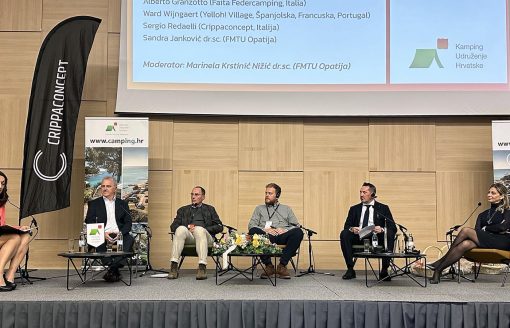

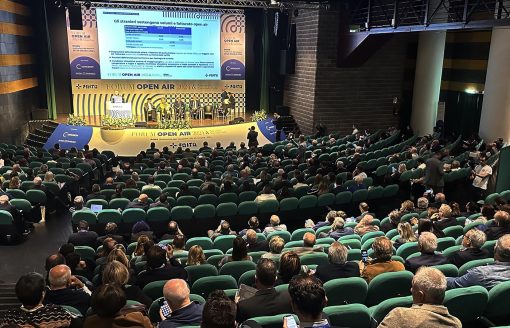
Croatian camping congress – The successes of 2023 season, the critical issues of the sector, and its future