


The future growth of the camping industry will not come from operating ever-larger campsites, but from smarter international distribution and stronger collaboration. Campsites and distribution platforms have become more interdependent than ever. The challenge for the years ahead? Achieving international visibility without sacrificing local identity.
The relaunch of the Dutch-born Vacansoleil within the French Maeva&Co ecosystem illustrates this evolution perfectly: international growth today requires both local expertise and European scale. Long before European tourism became a buzzword, Vacansoleil was already connecting campsites with travellers across multiple markets. Yet according to the holiday specialist, which has been offering camping holidays since 1969, the market has changed dramatically over the past decade and will continue to evolve.
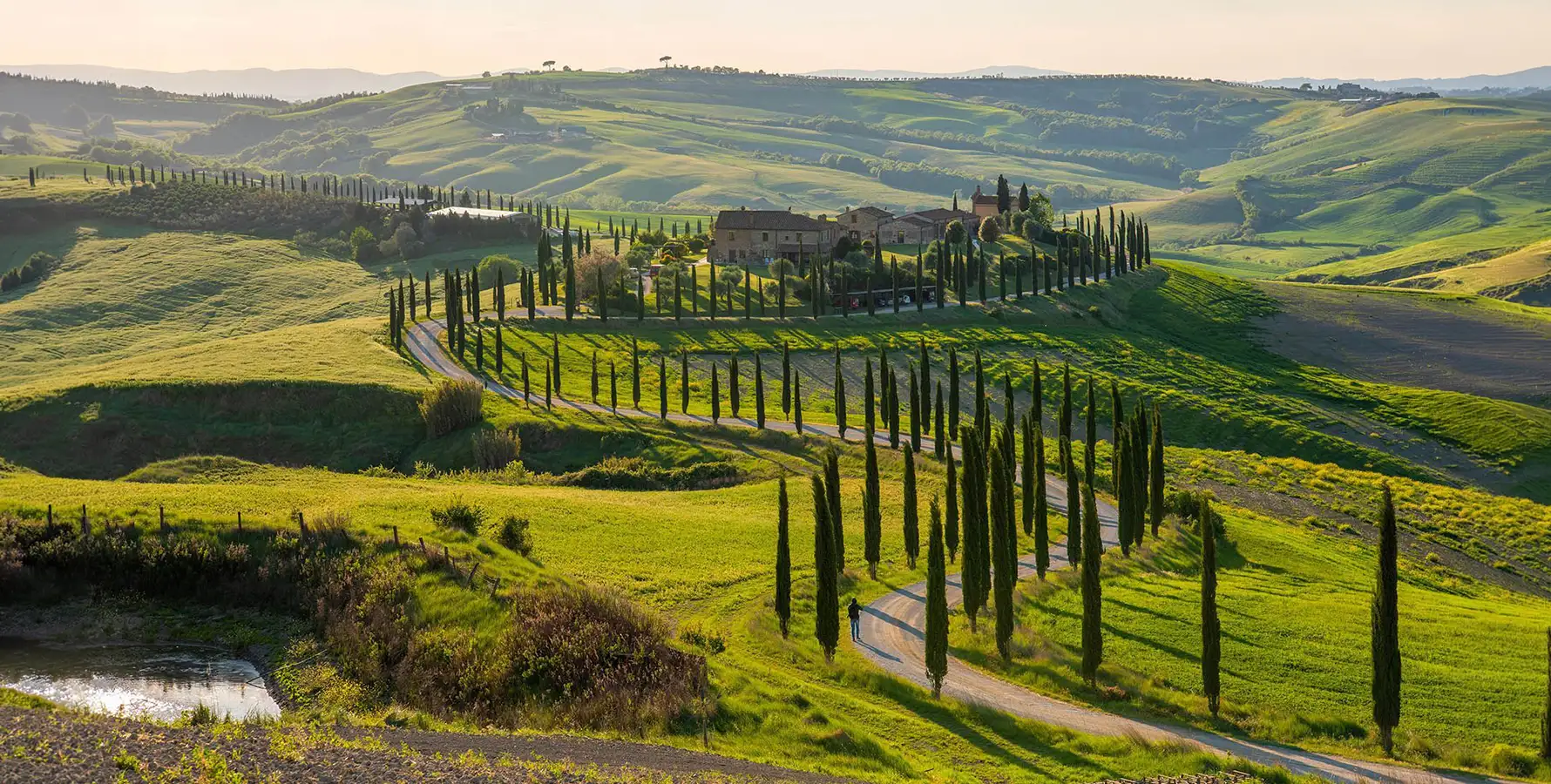
Tuscany will always be Tuscany: the market changes every day
Where a campsite in Tuscany once competed mainly with neighbouring campsites, it now competes with destinations in Austria, France, Slovenia and Croatia. Campsites remain deeply rooted in their local regions, but guests increasingly come from all over Europe. And those guests have more choice than ever before.
OTAs dominate the market, distribution channels are becoming increasingly complex, and campsites are looking for visibility without becoming dependent on a single channel. For Italy, this evolution is particularly relevant. The country boasts one of Europe’s strongest camping sectors, yet it is also home to thousands of independent operators facing the same challenge: how to remain visible internationally without losing their unique character.
While European-scale visibility has become a prerequisite for success, preserving a distinct identity remains equally important for independent campsite owners. Consumer trends clearly confirm this. Travellers increasingly seek authentic holiday experiences: meeting local people, discovering regional traditions, uncovering the hidden stories of a destination. These experiences are becoming more important than standardised entertainment programmes and leisure facilities. And those authentic experiences are often precisely what independent campsites do best.
Independence or scale? Both
The challenge for the coming years is therefore not choosing between independence and scale. The real challenge is finding ways to combine them. This is exactly the question organisations such as Maeva&Co, Vacansoleil’s parent company, are trying to answer today. Not by standardising independent campsites, but by giving them access to the same distribution, marketing and revenue management tools available to large international groups.
Where the company was once positioned primarily as a distribution platform, it is now evolving into a model that combines scale with local autonomy. Distribution, holiday real estate, campsite franchise networks (in France) and agritourism are brought together around a single objective: giving independent tourism entrepreneurs more leverage without compromising their identity.
The approach aims to create value throughout the tourism chain while providing independent operators with expertise, technology and distribution capabilities that were once largely reserved for bigger players. The result: mutual growth while preserving individuality.
A new ecosystem for shared growth
Vacansoleil, historically well established in the Italian market, plays an important role in this strategy, particularly for Northern European travellers searching for that authentic la dolce vita experience. For that reason, Vacansoleil actively seeks partnerships with independent campsites that want to preserve their authenticity while gaining access to the same tools used by larger chains. Scale without sacrificing autonomy. In other words: an ecosystem built around balanced, shared growth.
The European camping market is still largely made up of independent family-owned businesses. That fragmentation is what makes the sector unique, but it also creates challenges in terms of visibility, technology and international distribution. The winning formula for the future of camping holiday distribution will belong to companies that combine strong local roots with tools that provide international reach. Not by replacing local expertise, but by connecting it across borders.
Twenty years ago, a family-owned campsite or holiday park could thrive with regional sales efforts, one foreign market and a handful of tour operators. Today, that is no longer enough. Campsites need visibility in multiple countries, across different customer segments, throughout different seasons and via multiple channels. That requires scale, technology and modernisation, because the dream holiday in Italy now competes with many other dreams.
The wood-fired pizza oven. Long dinners shared around beautifully laid tables. Olive trees stretching over the terrace of a mobile home. The painting has not changed. Only the gallery in which it is displayed.


Effective marketing strategies to optimize June sales in the camping village sector