

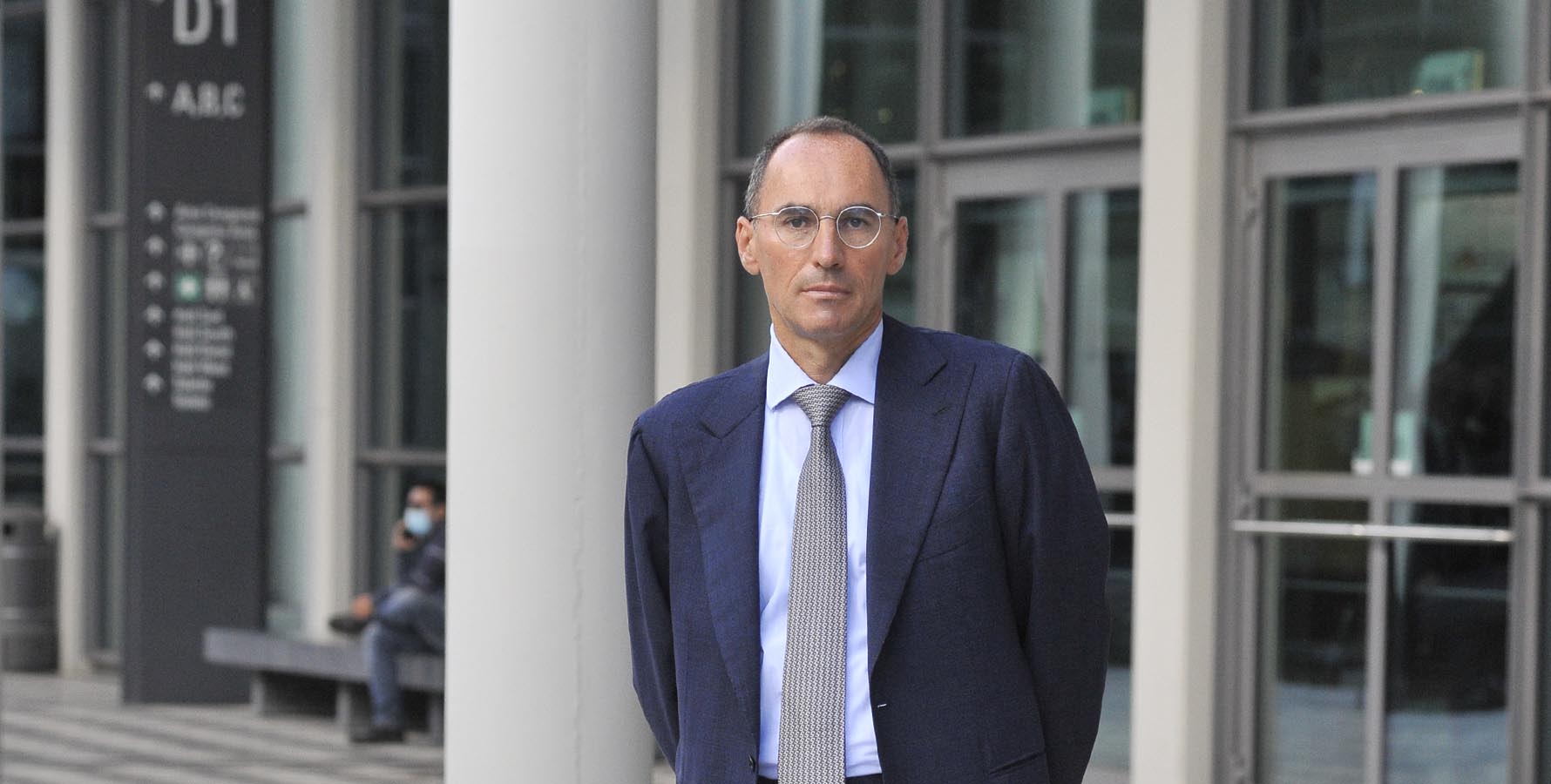

On March 5, Rome hosted the “Stati generali del turismo balneare”, the annual event organized by the Italian Union of Beach Operators (SIB). This gathering brings together industry professionals, institutional representatives, and trade associations to discuss the challenges and future prospects of the sector. Representing the camping industry was Alberto Granzotto, president of FAITA-FederCamping.
One of the key topics discussed was the impending expiration of state maritime concessions, a pressing concern for many businesses. Under the Bolkestein Directive, Italy is required to conduct public tenders for the allocation of concessions, preventing their automatic renewal as previously practiced.
The numerous extensions – including the most recent Decree-Law No. 131/2024, which extends concessions until 30 September 2027 and obliges municipalities to call for tenders by 30 June 2027 – have been deemed illegitimate by a number of court decisions. Consequently, the Italian government is working on a reform aimed at balancing the different interests at stake.
Camping facilities located on state-owned maritime land are also affected by these regulations and actively involved in the debate. For open-air facilities the issue of concessions is even more complex, as it extends beyond administrative aspects to environmental protection and the sustainable management of coastal areas.
The crucial role of campsites in coastal tourism development
In his speech, Alberto Granzotto emphasized the complexity of state concession regulations, stressing the importance of considering the specific needs of open-air tourism. As reported by Camping Management, Granzotto criticized the narrow focus on beach concessions in public discussions, arguing that campsites and holiday villages, which occupy vast territories and play a key role in the tourism industry, deserve equal attention.
“It is clear,” said Granzotto, “that these businesses require a much more complex regulatory framework than simple beach management, as their concessions often cover extensive areas. For instance, the largest company represented by our association records over 1.2 million annual visitors, equivalent to the tourism flow of a large municipality entirely located on state-owned maritime land. As a result, managing these concessions, maintaining infrastructure, ensuring safety, and guaranteeing business continuity take on an entirely different dimension compared to a simple beach concession”.
Granzotto also highlighted the significant contribution of the open-air tourism sector in shaping and maintaining the coastal landscape over time. “If we look at historical photographs of these areas before tourism development, we see completely different landscapes. The transformation of these territories has been driven by operators, concession holders, and facility managers, who have ensured not only development but also ongoing maintenance,” stated the FAITA president.
This progress has been made possible by regulatory stability, allowing businesses to plan investments and improvements. “The loss of this stability,” Granzotto warned, “would lead to uncertainty, with negative consequences for the entire sector and the territories involved”.
A look at the rest of Europe
Granzotto also drew attention to how state concessions are managed in other European countries, such as Spain, Greece, and Portugal. In Spain, the law distinguishes between beach concessions and accommodation facilities, allowing concessions of up to 75 years. In Greece, the regulatory framework differentiates between hospitality structures and beach services, assigning concessions based on capacity and sustainability criteria. Portugal has taken a pragmatic approach, implementing regulations that encourage long-term investments without compromising industry competitiveness.
Looking at Italy, Granzotto emphasized that coastal tourism is recognized as a European excellence. To maintain high standards in the tourism offering, he reaffirmed the need for a stable and sustainable regulatory framework.
“We need a regulatory model that takes inspiration from other countries’ experiences while also addressing Italy’s unique context. Only through serious and thorough discussions can we identify solutions that safeguard the future of the sector, protect investments, and ensure continuity for businesses that have made coastal tourism an internationally recognized excellence,” concluded the FAITA president.


Cavallino-Treporti aims for GSTC certification for an increasingly sustainable territory